Is the Nikon D7500 better than the D7200? I still can’t decide
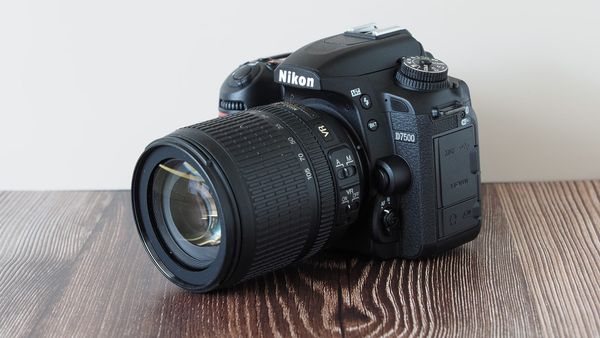
I used to own a Nikon D7200 when I was Technique Editor on N-Photo magazine because I was working exclusively with Nikon DSLRs. I sold it when I moved to Digital Camera World to cover mirrorless cameras. I’ve always missed my D7200 but I’ve ended up replacing it with a D7500. So how do they compare?

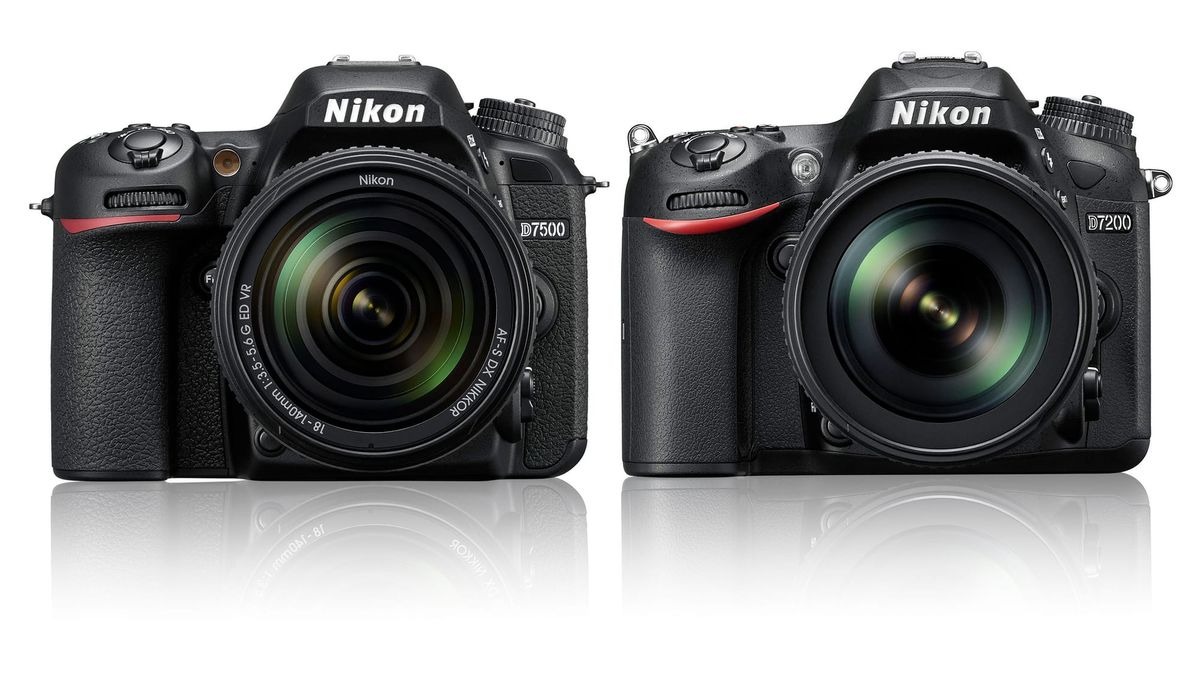
I used to own a Nikon D7200 and sold it. That was a mistake. I bought it when I was Technique Editor on N-Photo magazine because I was working exclusively with Nikon DSLRs. I sold it when I moved to Digital Camera World as the mirrorless revolution was taking over. I’ve always missed my D7200 but I’ve ended up replacing it with a D7500. So how do they compare?
It’s an unusual story. The Nikon D7200 was a powerful enthusiasts camera which came along at the peak, in my opinion, of Nikon’s DSLR golden era. With its 24MP sensor, rugged build and twin SD card slots, it was a ‘proper’ camera.
Yes, mirrorless cameras are better technically, but they just don’t feel the same in your hand and they don’t have the optical viewfinders that make DSLRs feel different. Not everyone agrees with me, but that’s fine!
So I looked for another good, used D7200 and ended up instead with its successor, the Nikon D7500. And it’s a very odd successor that even now is hard to see as a true upgrade. That’s because, about this time, Nikon made a couple of odd decisions.
First, it decided that its 24MP APS-C sensor, as used in the D7200, was no longer good enough in low light or fast enough for burst shooting and the latest 4K video. But instead of upgrading the sensor, Nikon did a kind of side-step, swapping the 24MP sensor for a new, lower-resolution 20.9MP sensor that offered the performance improvements it was looking for.
Yes, it’s only a small drop in resolution, but it still grates. The images, to all intents and purposes, are exactly the same bar a few pixels in width and height, but this kind of backwards step is both unusual and unsettling. It was then and still is now. Nikon still uses 20.9MP sensors in its APS-C mirrorless cameras, leaving it out of step with all its rivals.
But what the D7500 did gain was 4K video (though the live view AF is too slow to compete with modern mirrorless rivals), an improved burst rate up from 6fps to 8fps and an increased buffer capacity for longer bursts. Nikon even added a tilting screen – the rear screen on the D7200 is fixed.
And yet the sensor resolution change was not the only downgrade on the D7500 – it also went from the D7200’s twin card slots down to one. That seems crazy – if ever a camera needed twin card slots it was one aimed at serious enthusiasts who might also be shooting video. This is where it starts to feel as if the D7500’s job was not just to offer improved performance but also to cut costs.
I like the D7500 a lot. It’s a great-handling camera which feels fast and modern and has excellent ergonomics. My sample is also fresher and newer than any D7200 I could find on sale.
And yet… I think I would still swap my D7500, with its 4K video, 8fps bursts and tilting screen for the 24MP sensor and twin card slots of the D7200. Difficult, isn’t i?