Nikon D7500 review in 2026 ★★★★★
Launched in 2017, the Nikon D7500 can still be found new here and there, but it's now mostly seen as used camera. But does it still have what it takes in today's world?

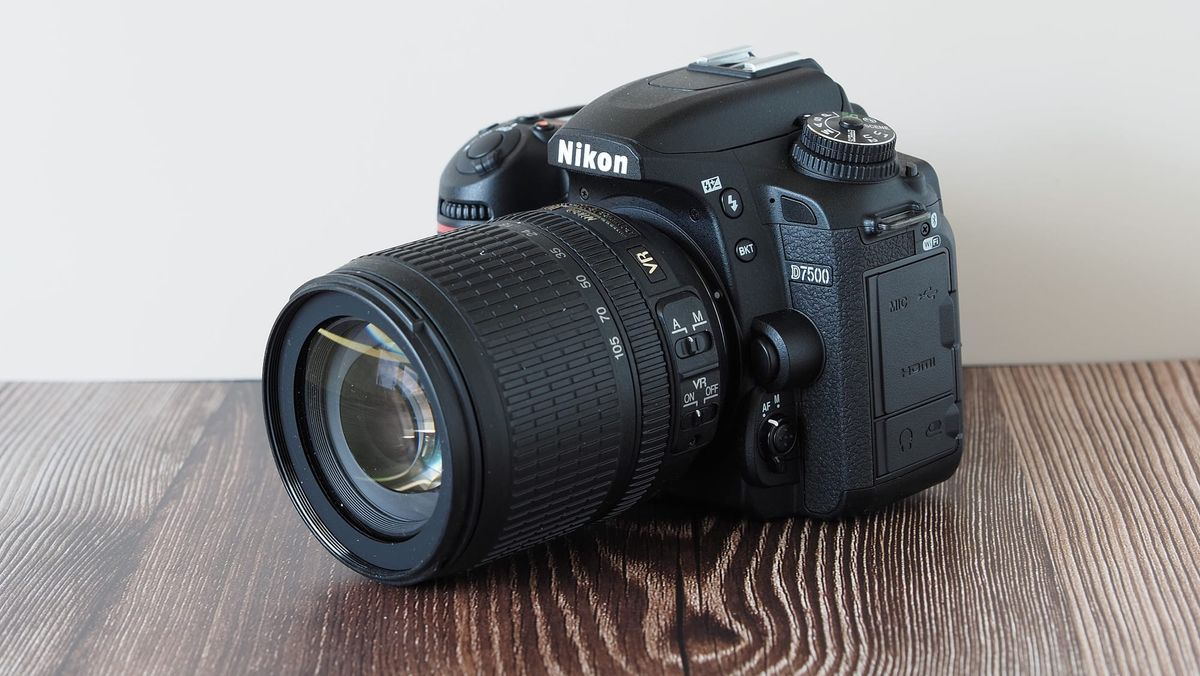
The Nikon D7500 is pretty much the last of Nikon's APS-C DSLRs. Aimed at enthusiasts, it slotted in below the high-speed pro-level D500 and above Nikon's 3000-series and 5000-series beginner DSLRs. It followed on from the Nikon D7200, itself a pretty tough act to follow.
I currently own a D7500, bought used but in excellent condition, along with the Nikkor 18-105mm f/3.5-5.6 VR kit lens – a highly underrated lens, in my opinion.
In my time on N-Photo magazine, I shot with just about every Nikon DSLR, and following that, on Digital Camera World, I tested rival DSLRs from Canon and Pentax. I've also reviewed countless mirrorless cameras right up to the present day, so I do have some context for these opinions.
The key specs for the Nikon D7500 are a 20MP APS-C sensor (controversially 'downgraded' from the 24MP Nikon D7200), a single SD card slot (the D7200 had two), but a tilting screen, 8fps continuous shooting and 4K video to bring the D7500 properly up to date.
Nikon D7500 specifications
- Lens mount: Nikon F (DX)
- Sensor: APS-C
- Resolution: 20.9MP
- ISO range: 100-51,200 (exp. 50-1,640,000)
- Autofocus: 51-point phase detect with 15 cross-type/contrast AF in live view
- Video: 4K 30p
- Continuous shooting: 8fps with AF, 50/73 RAW files (14-bit/12-bit)
- Shutter: Mechanical, 30sec-1/8,000sec, 1/250sec x-sync
- Viewfinder: Optical pentaprism, 100% coverage, 0.94x magnification with 50mm lens
- Rear screen: Tilting 3.2-inch, 922k dot
- Storage: 1x SD/SDHC/SDXC UHS I
- Battery: EN-EL15a, 950 shots
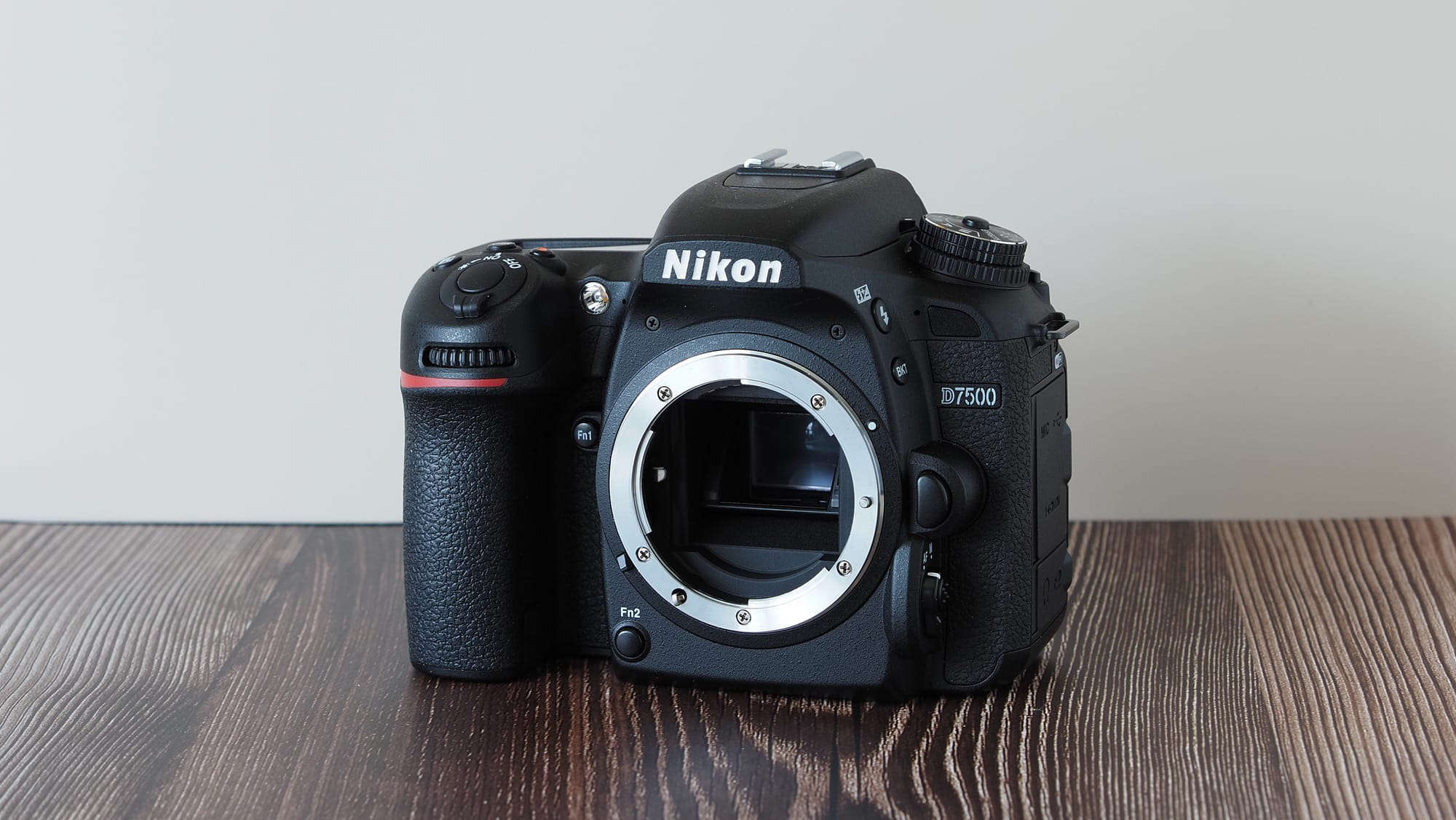
Things to note here are the 51-point AF system, for a long time the best that Nikon made, the 1/8000sec maximum shutter speed, the high-quality optical viewfinder, the slightly larger than usual 3.2-inch rear screen, which also tilts, and the 950-shot battery life.
What you don't get is phase detect AF in live view, so if you are going to shoot video you'll be better off pre-focusing on a spot rather than trying to follow moving subjects. And while the maximum ISO looks stratospheric, I personally wouldn't go beyond the maximum ISO 51,200 in standard non-expanded mode, and I'd probably try not to go higher than ISO 12,800.
Nikon D7500 handling
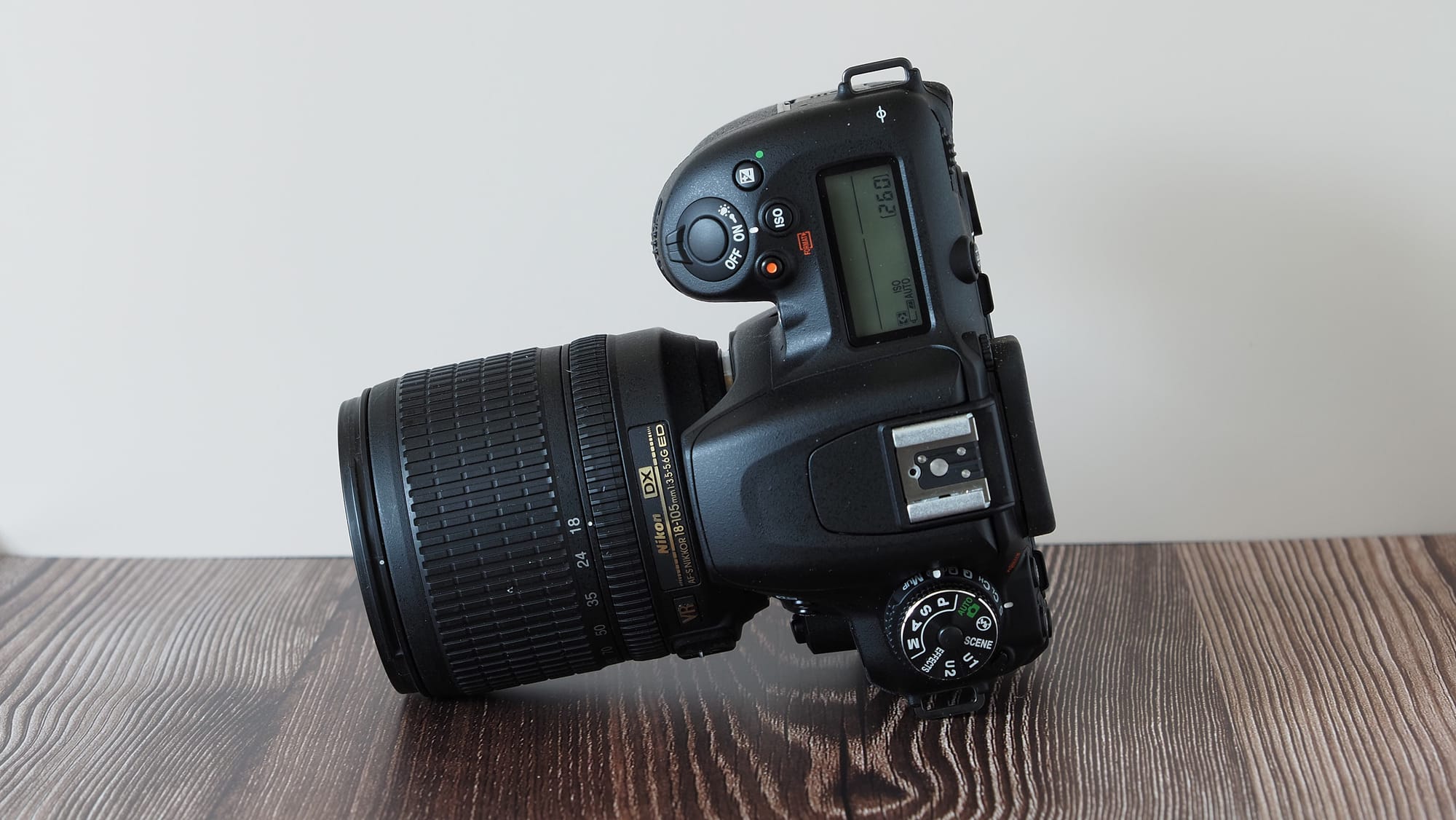
This is where opinions are likely to diverge! Mirrorless fans will find the D7500 rather big and bulky, but might concede that it does at least offer a proper hold where many mirrorless cameras don't. DSLR fans will probably feel it's just about perfect.
It's certainly a chunky sort of camera, but not too heavy to carry around in one hand or too large to keep in a modest-sized shoulder bag. It's a good deal easier to handle than Nikon's full-frame FX-format DSLRs.
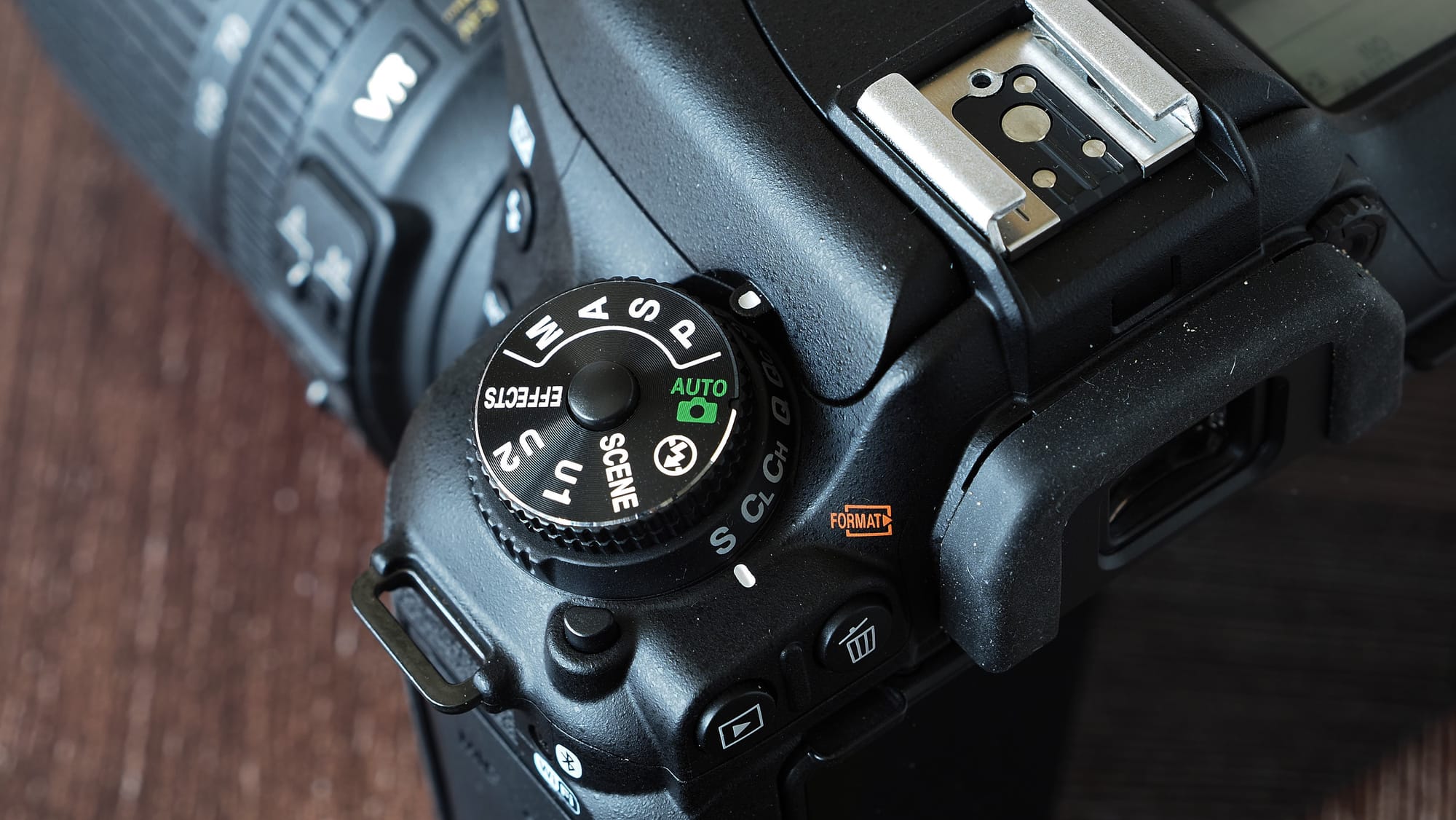
The grip is secure, the soft-touch leatherette finish is comfortable but grippy, and the body's rounded contours and smoothed-over edges make it very comfortable to handle. The front and rear control dials are firm and positive, The main mode dial and the release (drive) mode dial underneath both have locking buttons, and the buttons on the top and back are clearly labelled.
Two things stand out. Nikon likes to give buttons specific functions and label them clearly, so there are marked buttons for ISO, EV compensation, white balance, image quality and metering mode. These are backed up by an optional 'info' display that uses the whole of the rear screen to display key shooting information extremely clearly.
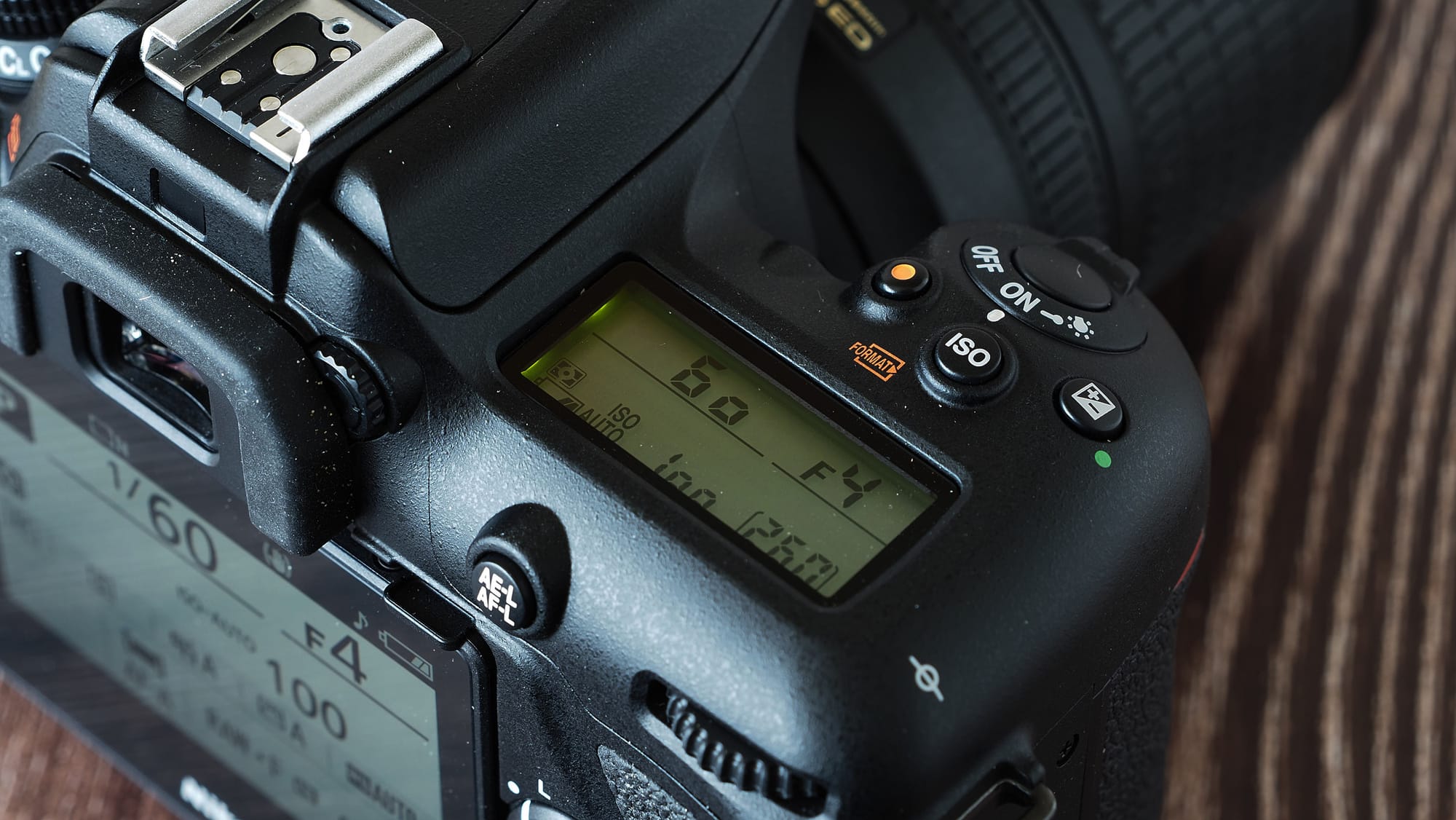
And – joy of joys – there's a mono status panel on the top plate for displaying key exposure information and shots remaining on the memory card, with an optional backlight for when it's dark.
There's a combined focus lever and button on the front to the left of the lens mount for quickly swapping AF patterns (auto, single point, dynamic area AF), focus mode (AF-S, AF-C, AF-) and auto/manual focus.
The viewfinder is excellent if you like optical viewfinders, not so good if you prefer a WYSIWYG digital display and the AF points light up really clearly. The quality of the rear screen is also excellent. There's no focus joystick or dedicated AF-ON, button but you can't have everything.
Nikon D7500 performance
Yes, it's only 20 megapixels (or 20.9MP if you want to be pedantic), but how much resolution do you need? It's not so far away from the 24MP of most modern cameras aimed at enthusiasts, and I really don't think you'll notice the difference.
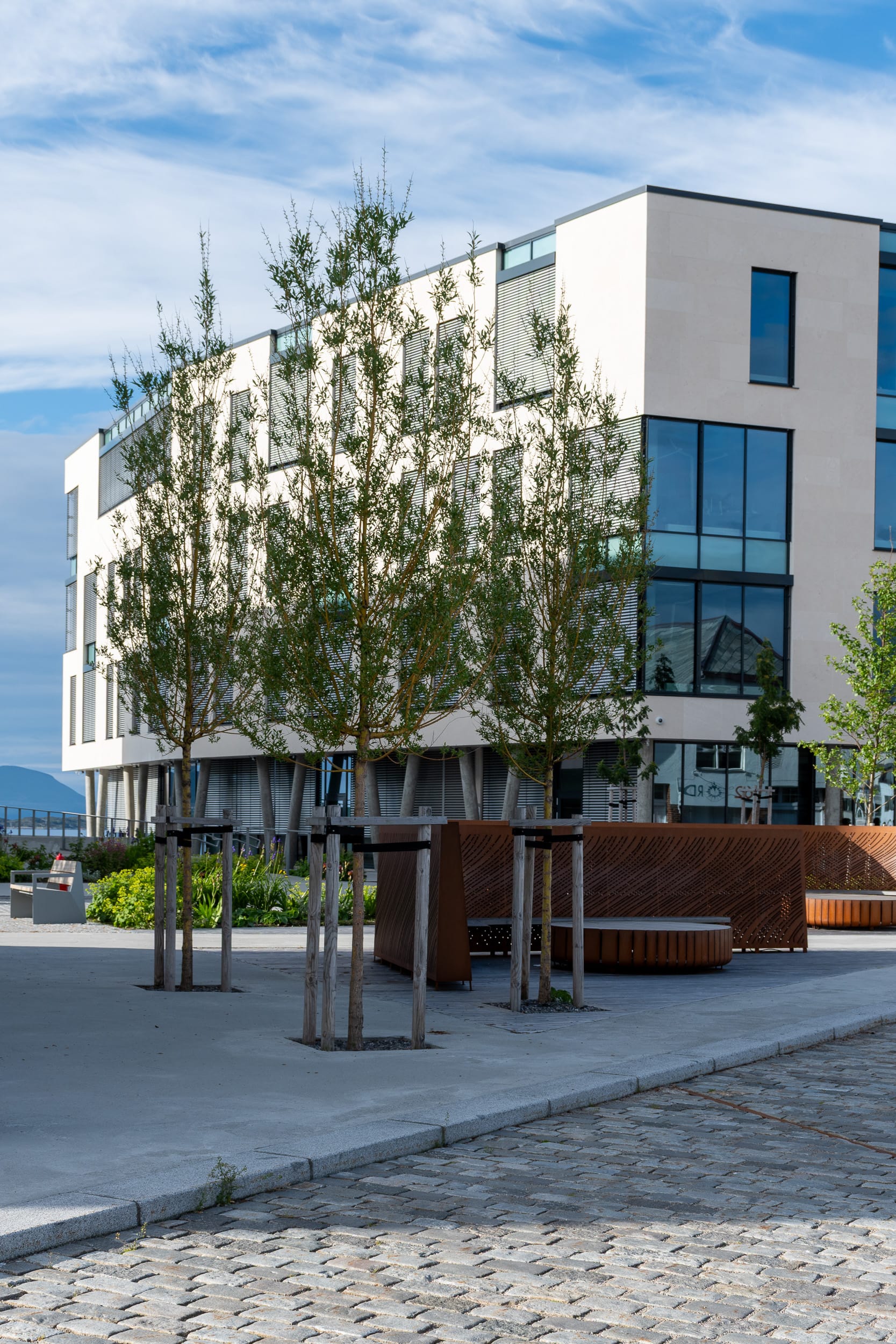
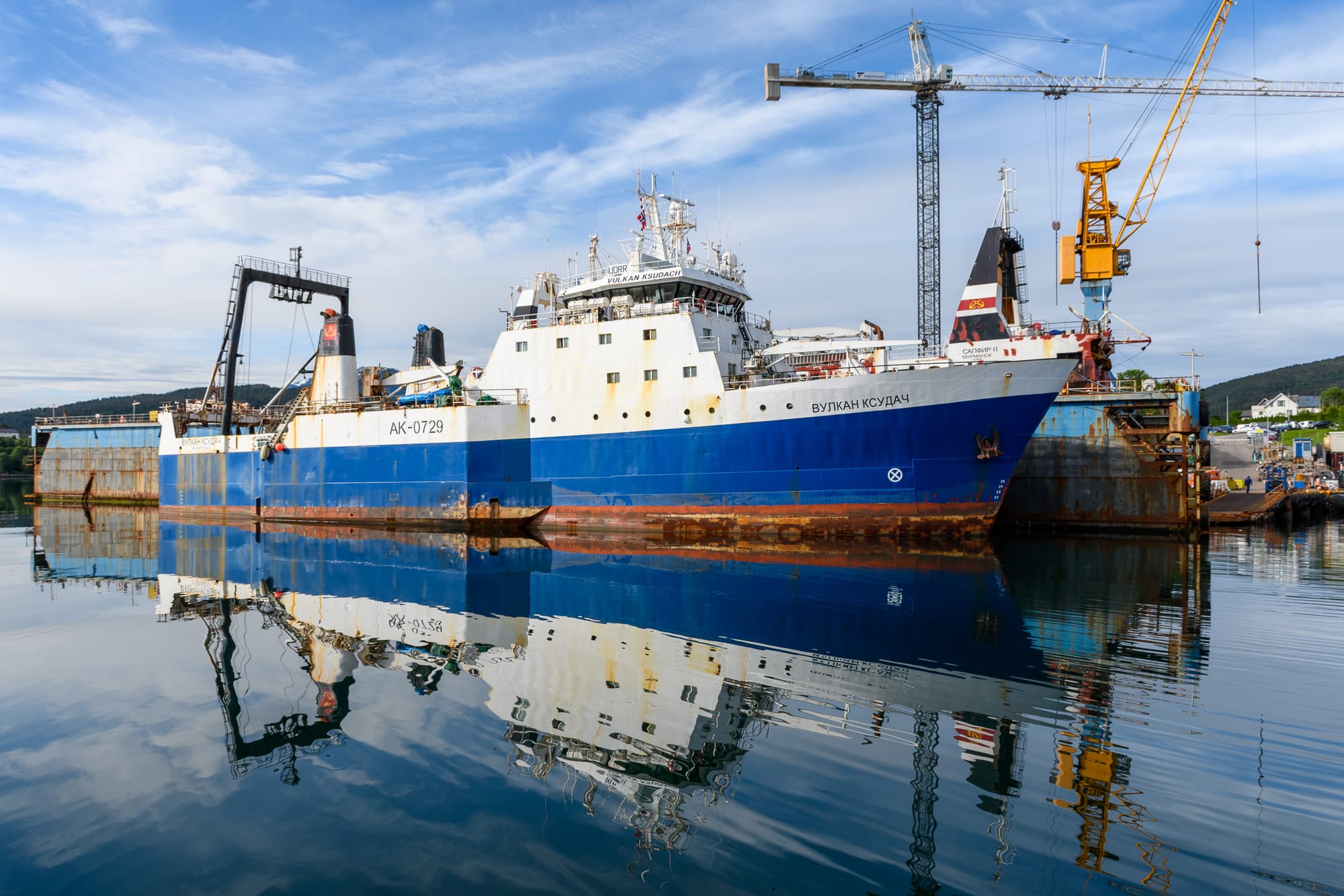
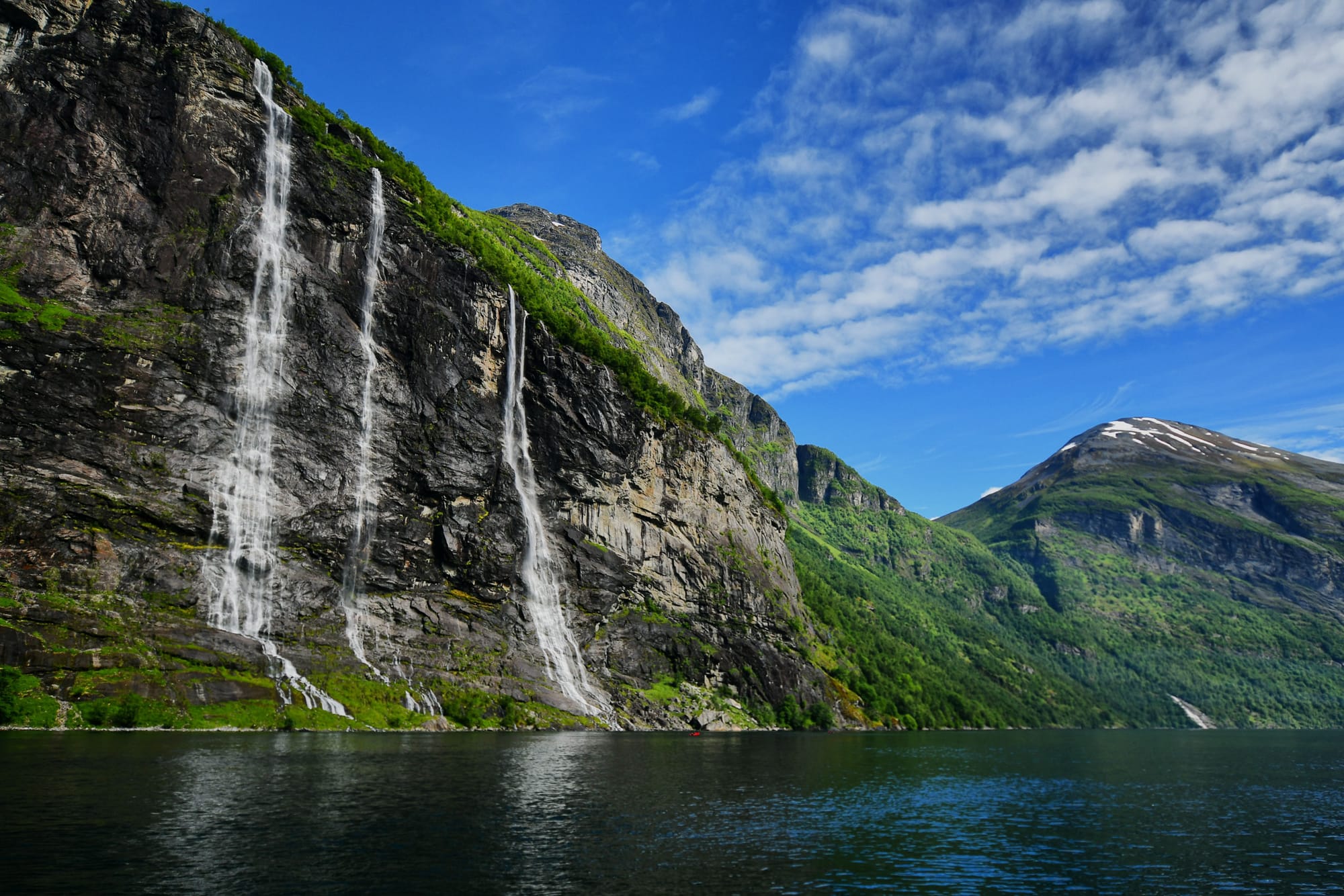
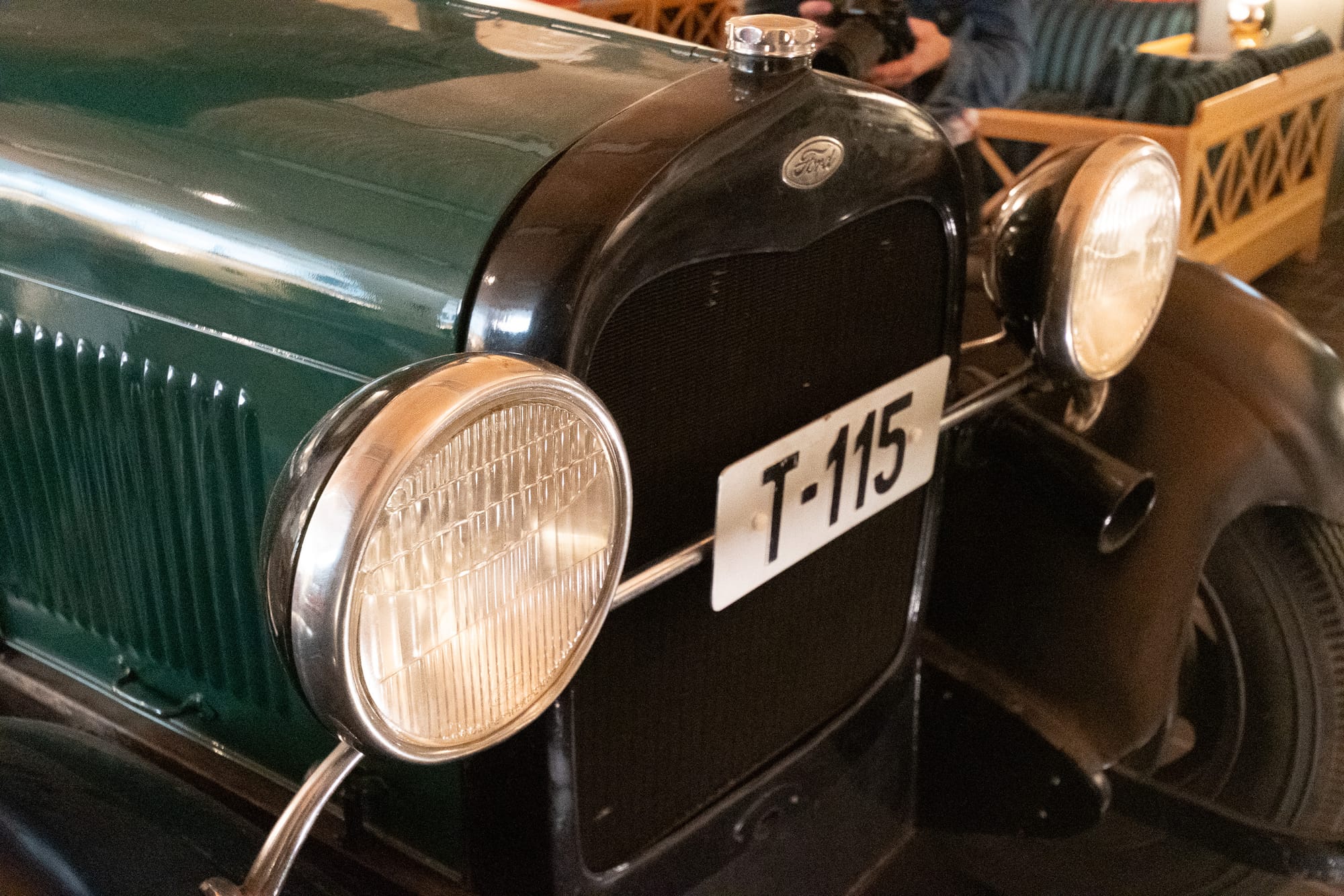
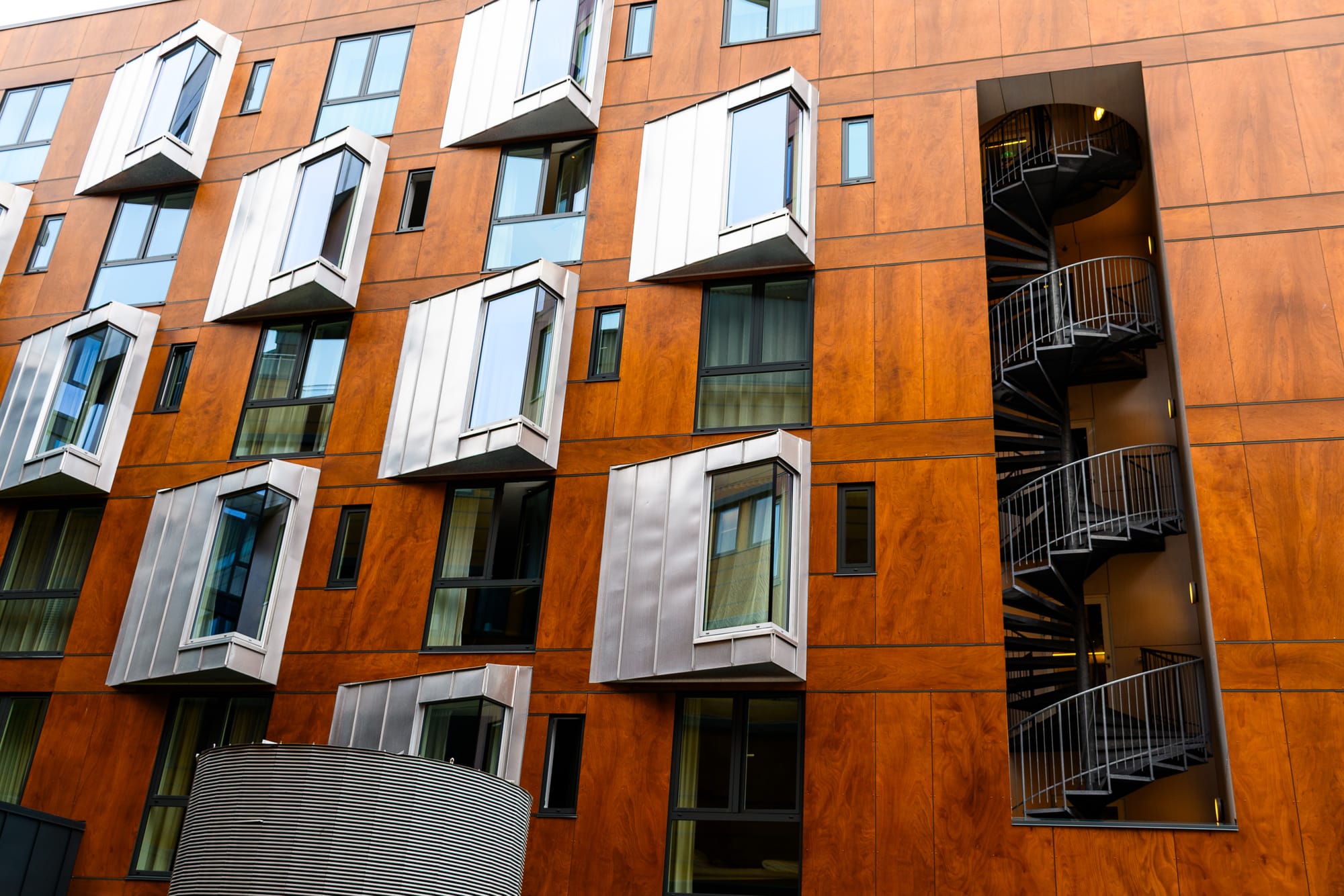
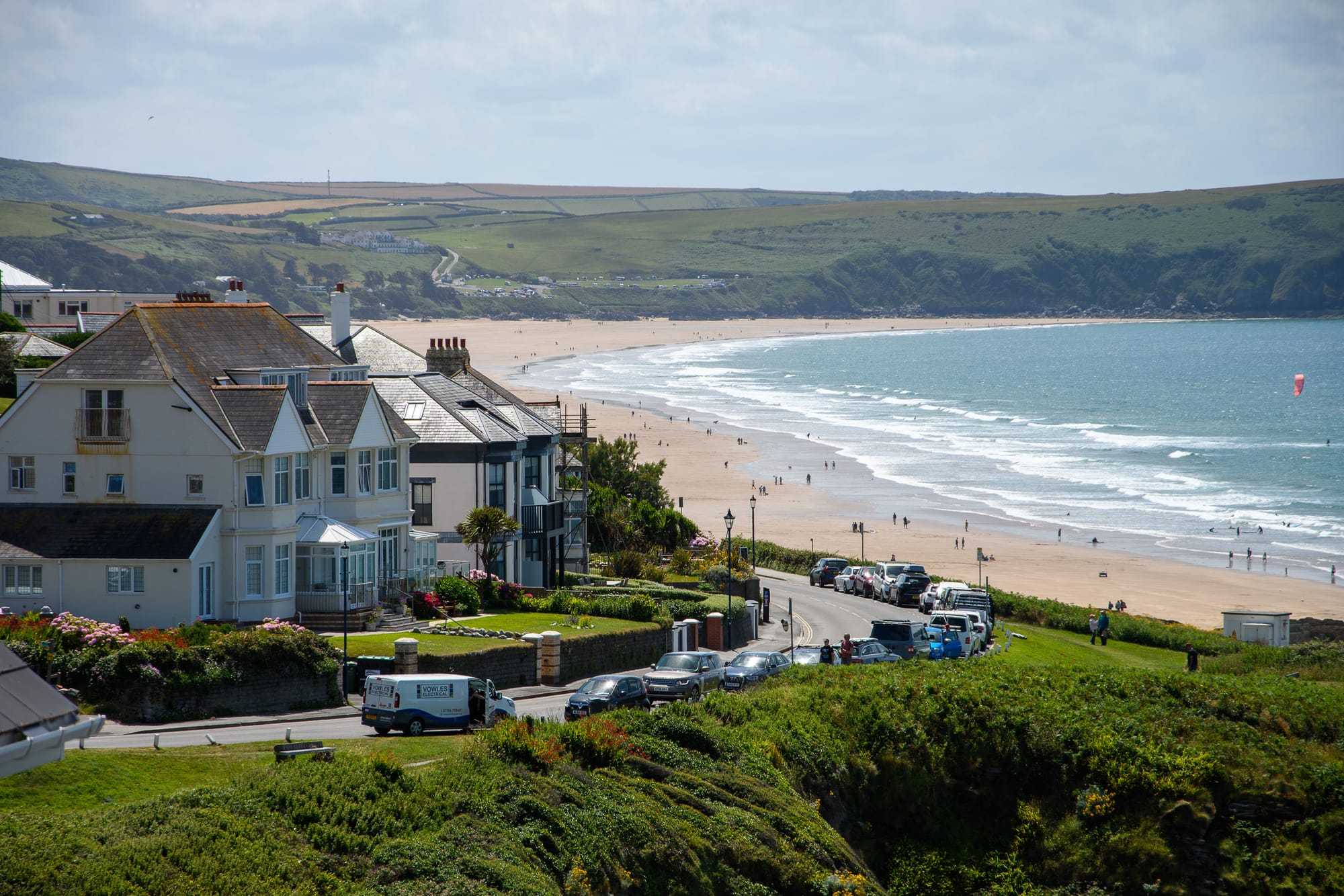
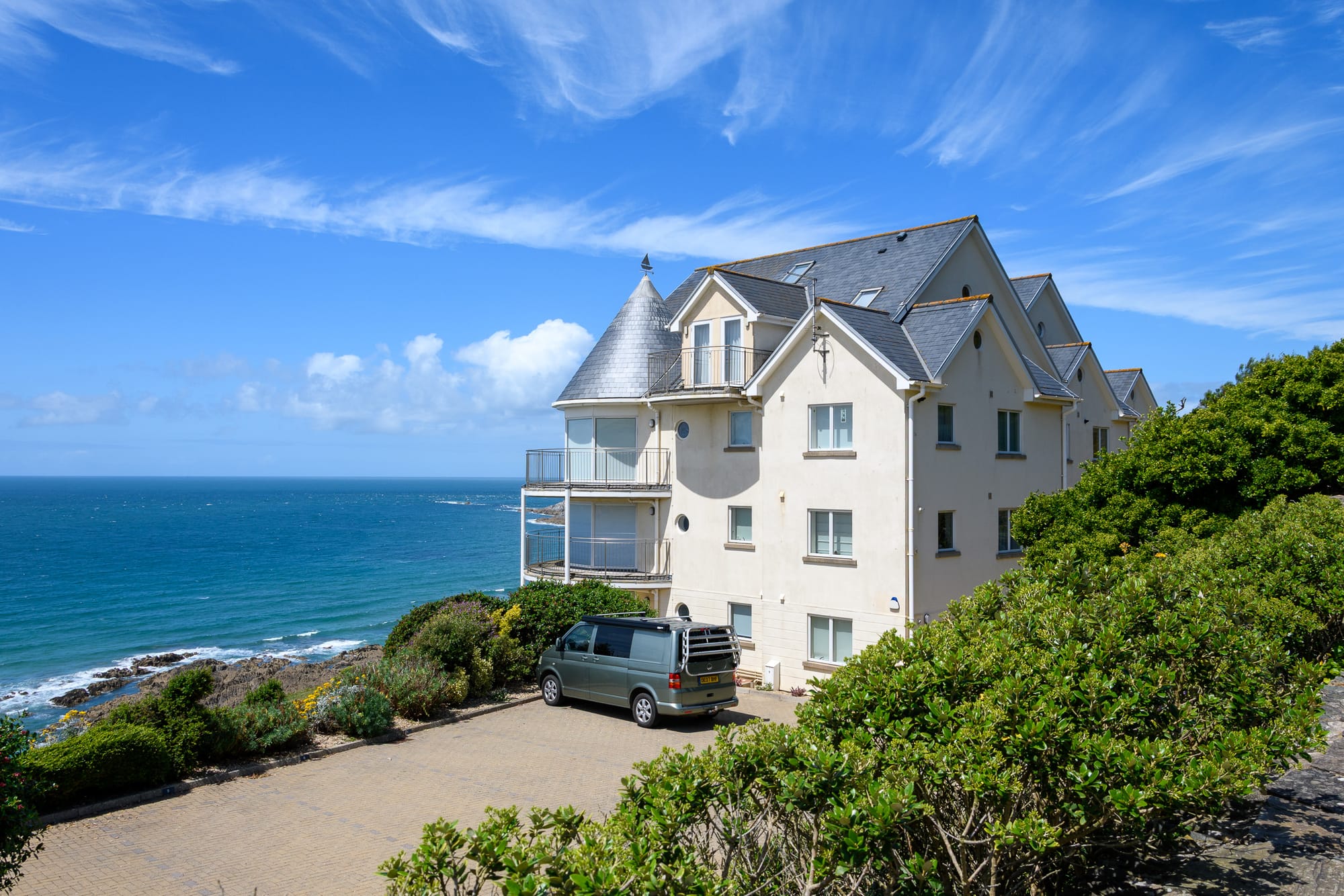
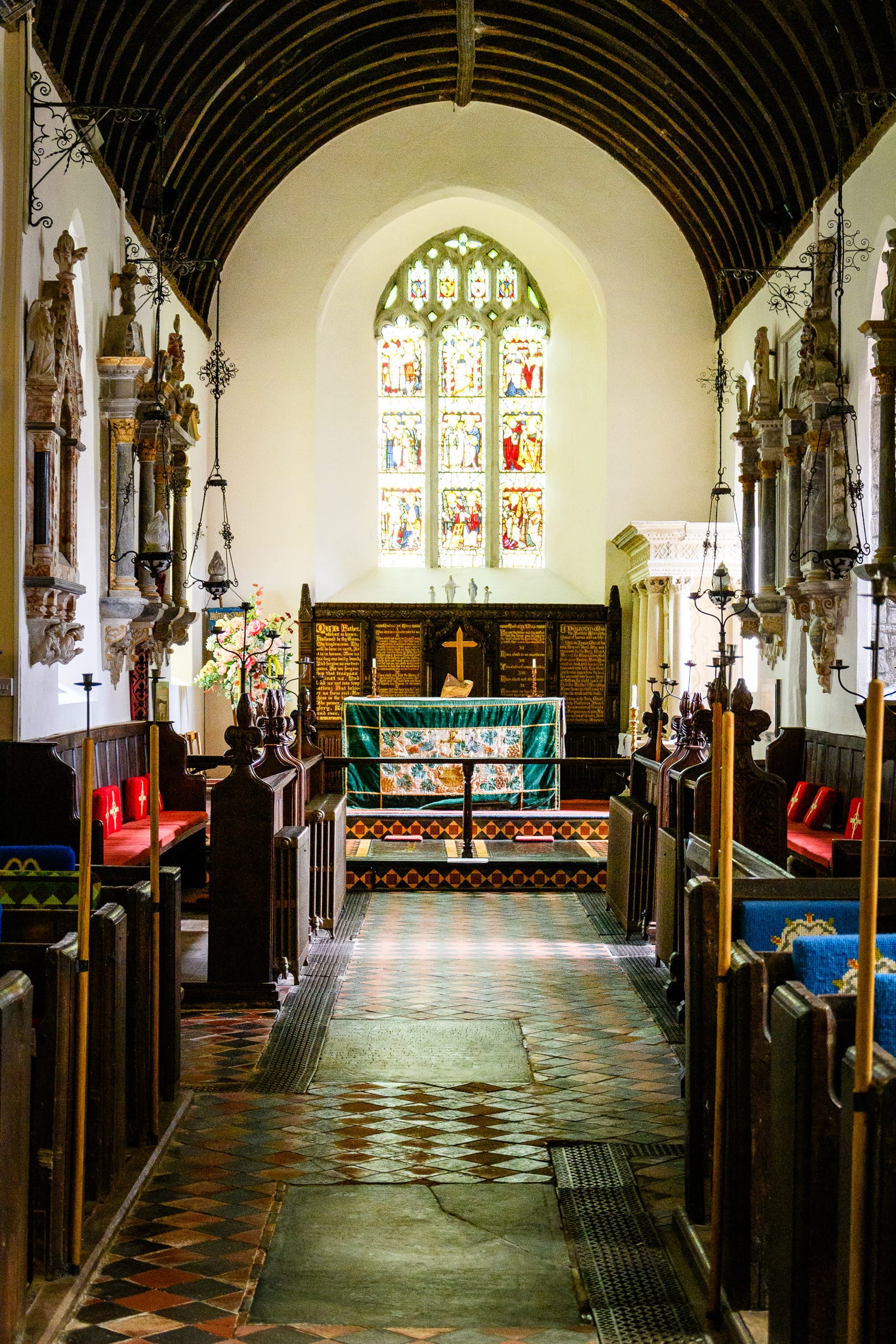
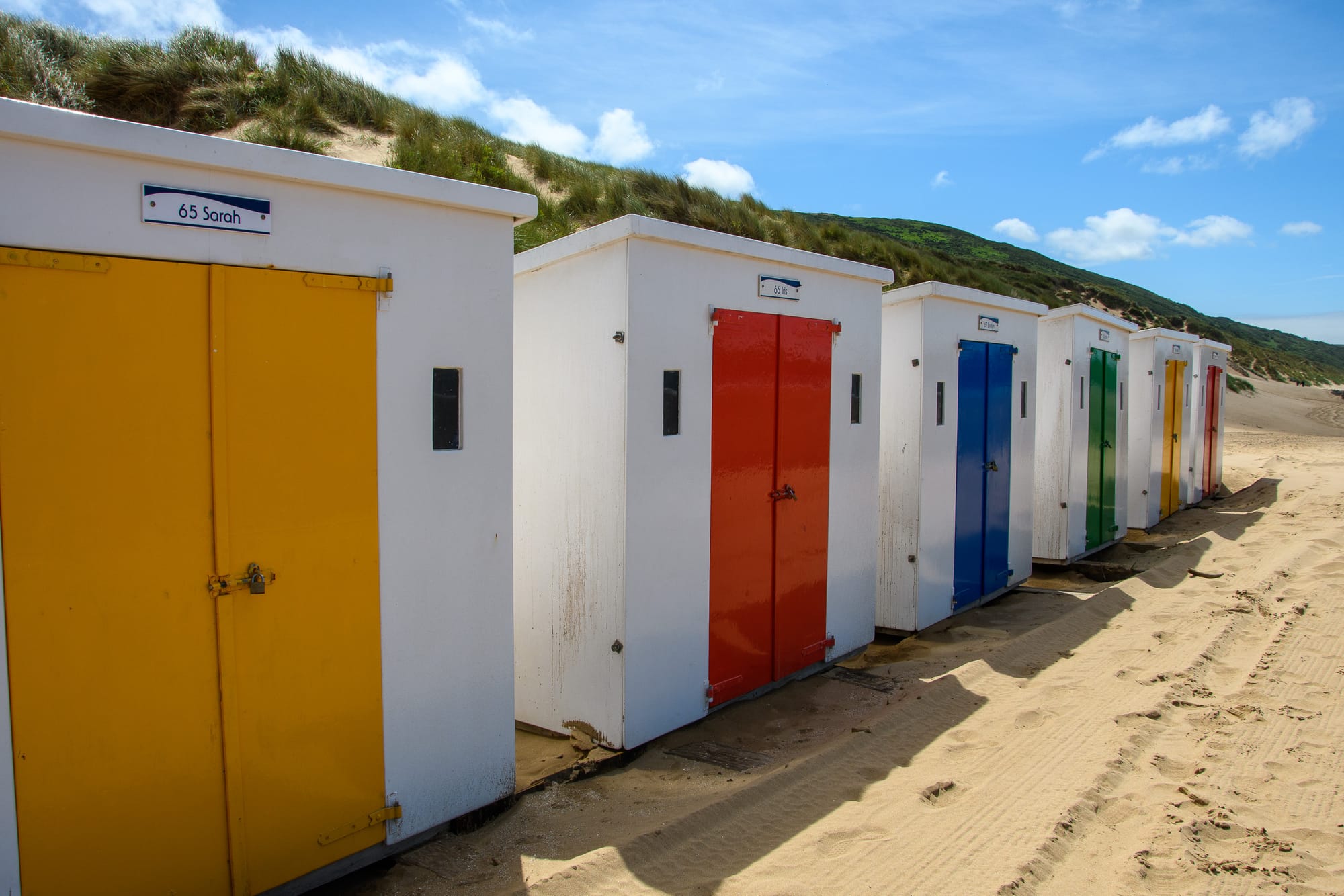
Image: Rod Lawton
The images from this camera have a particular 'Nikon' look from this era – distinctly organic, but in a good way, not through any lack of definition. Colours are great, the exposure system is as accurate as any modern camera's, the dynamic range is terrific (always a Nikon strong point) and the auto white balance does a good job too. I wouldn't hesitate to use this camera for 'proper' photography, even when I have much more recent cameras I could pick from.
The autofocus is not quite as instant as a modern mirrorless camera's, though that will also depend on the lenses you use. It's still quick, though. Live view is obviously a lot slower, but it works very well with the camera on a tripod and where you focus once rather than for every single shot. My tip would be to configure the AE-L/AF-L button to act as an AF-ON button and disconnect the autofocus activation from the shutter release.
Nikon's gamble on a lower-resolution sensor certainly pays off with ISO/noise performance. Even though the D7500 came out back in 2017, its noise performance today is still impressive. It really is hard to fault what this camera does.
There's no IBIS, but many Nikon lenses have VR and, once you mentally recalibrate your 'safe' shutter speeds, it's all plain sailing – and Nikon's Auto ISI implementation, by the way, is just about the best there is.
Nikon D7500 verdict
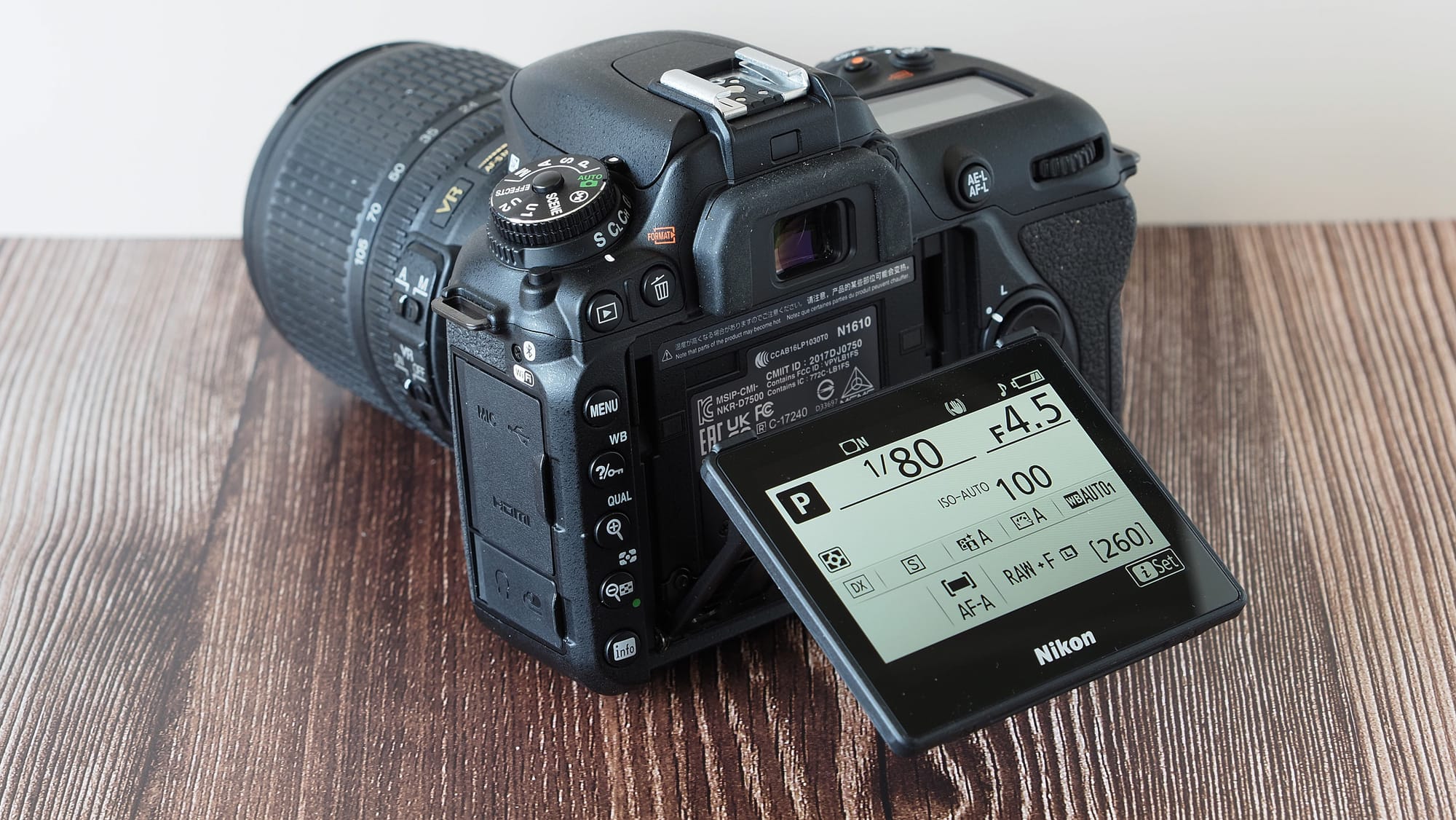
The D7500 is one of Nikon's last DSLRs. but that means it's perhaps the ultimate refinement of the do-it-all enthusiasts camera at an affordable price. It also means that its features and performance are close to those of modern mirrorless cameras and a good deal better than some.
Of course, some people will prefer the WYSIWYG viewfinders of mirrorless cameras and the always-on live view, and while you could use the D7500 for filmmaking, you wouldn't choose it for vlogging.
But DSLR fans will, I think, love it, and any mirrorless fans willing to try a DSLR will surely be struck by the D7500's solidity and handling, the clarity and directness of its controls – and its battery life.
When my job took me away from DSLRs and towards mirrorless cameras, I left them behind soon enough as mirrorless did seem an obvious step forward. I've changed my mind. Now I can use both, and I feel that mirrorless was more of a step sideways.
Mirrorless cameras are clearly a technically more advanced solution, but as a physical tool for taking photographs, my goodness, DSLRs are good. And in a world where photographers are increasingly trying to recreate the analog experience, a DSLR definitely has that analog 'feel'.